Slow Travel: The Hidden Cost of Convenience
When I was an engineering student, I worked an internship in nowhere Northern Alberta with a schedule of 8 days on and 6 days off.
Bored, isolated and restless, I decided to take advantage of my situation to go travel every other week.
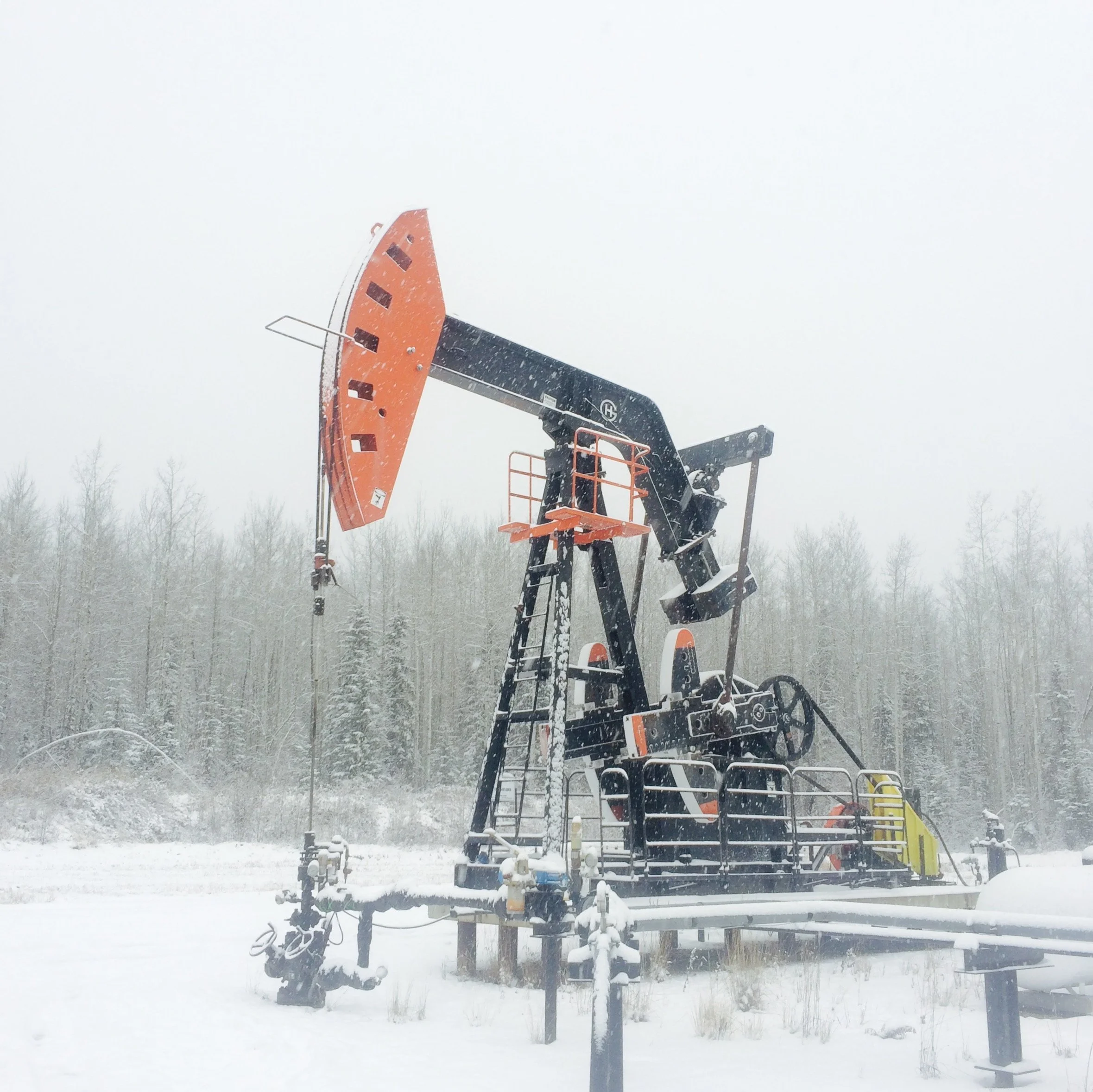
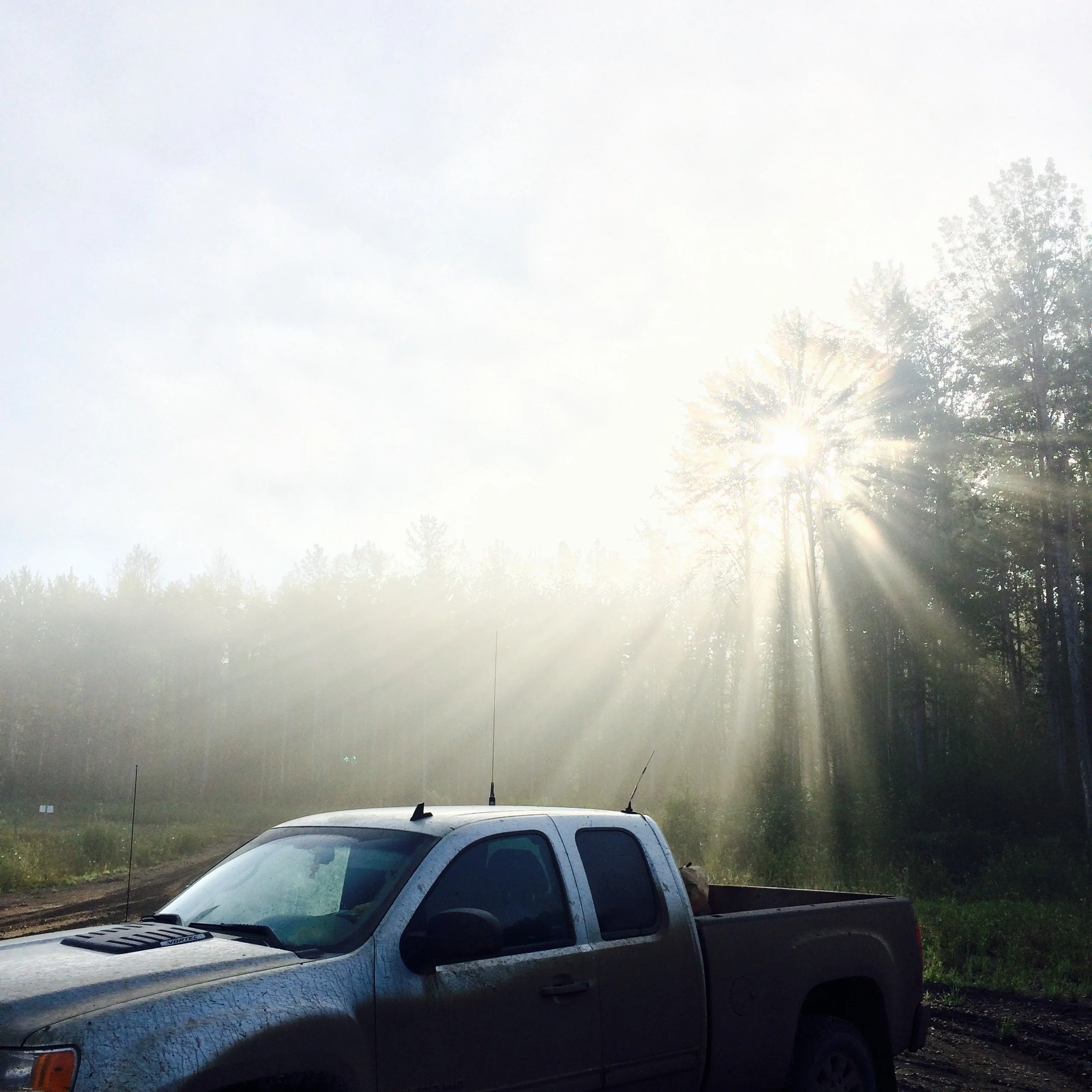
My job involved driving alone deep into the woods for 10 hours each day to maintain oil and gas wells. These are private dirt roads with no cell service and my truck was always caked in mud by the end of a shift.
The nearest regional airport was 1.5 hours away, and a minimum of 2 flights was needed just to get out of the province. Sometimes I drove 4.5 hours one-way to the bigger international airport to “save time”.
The average 6-day trip costed $1000 USD, which reset my earnings from the previous 8 days of work back to zero. I made no money at the end of that internship, but pulling off this series of travels at 21 years old with no debt felt like the pinnacle of financial freedom.
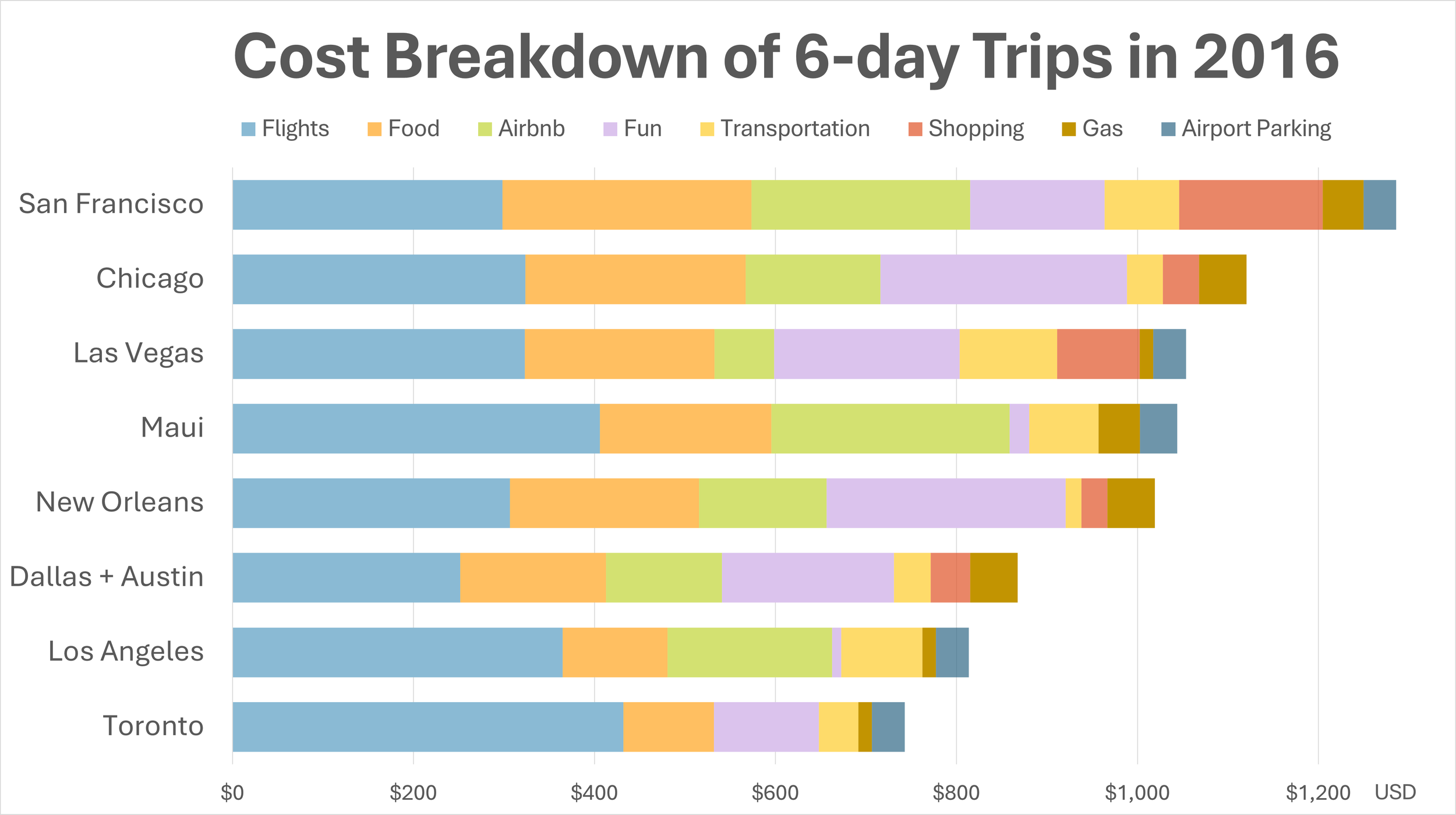
Shorter trips cost more per day than longer ones. This is common sense, but that lesson became clear from my own data on these 6-day trips which showed that flights were always the biggest expense.
If my schedule allotted for 7 days off instead of 6, the price of that flight would not increase proportionally. And if I didn’t have to make the arduous journey back to the middle of nowhere for my job just to set off again 8 days later, I could skip a whole roundtrip flight and easily jump from one destination to the next.
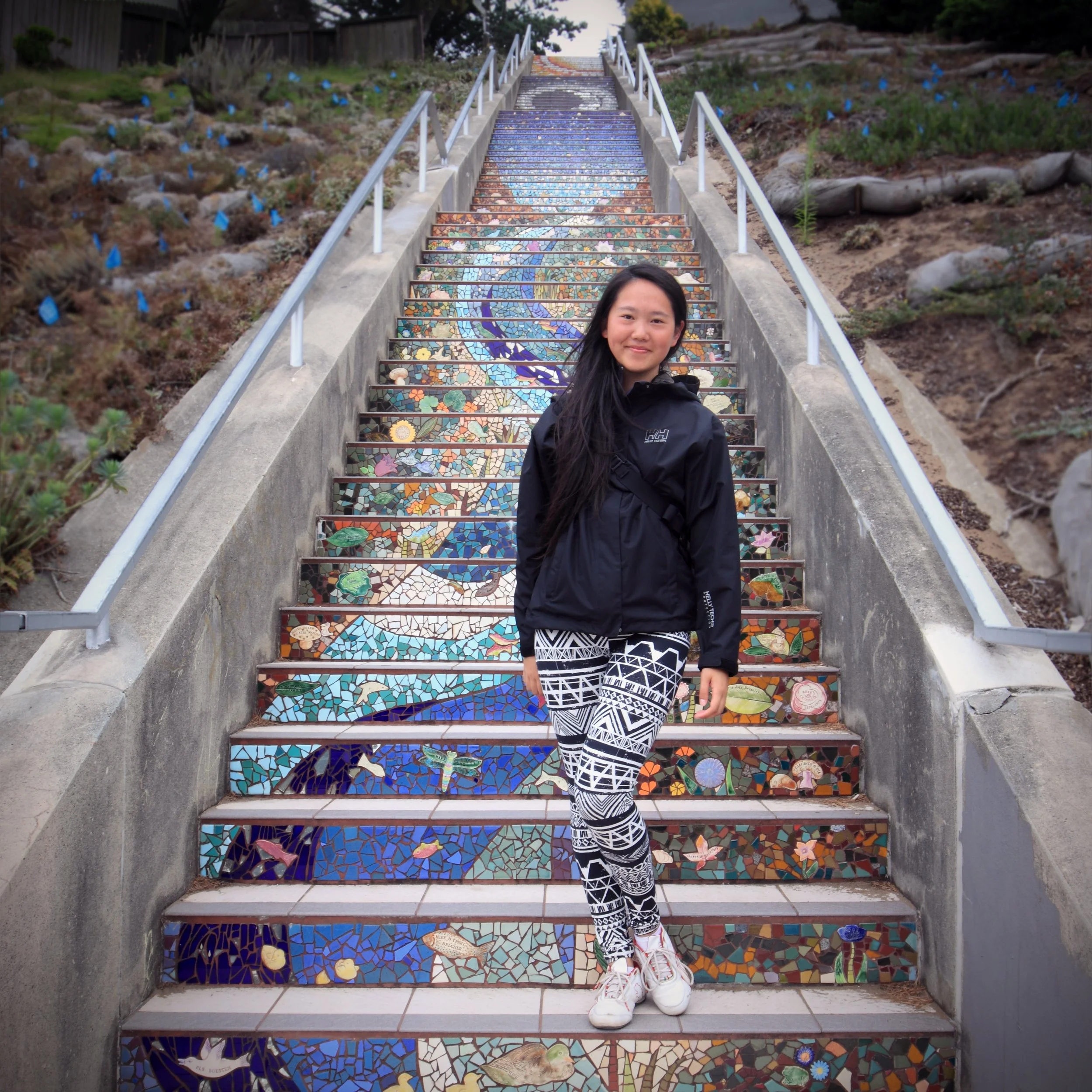
Mosaic staircase in San Francisco. I look so young at 21! My oilfield coworkers couldn’t understand why I was traveling so much and there was gossip that I was moonlighting as some kind of high-end escort… 🙄
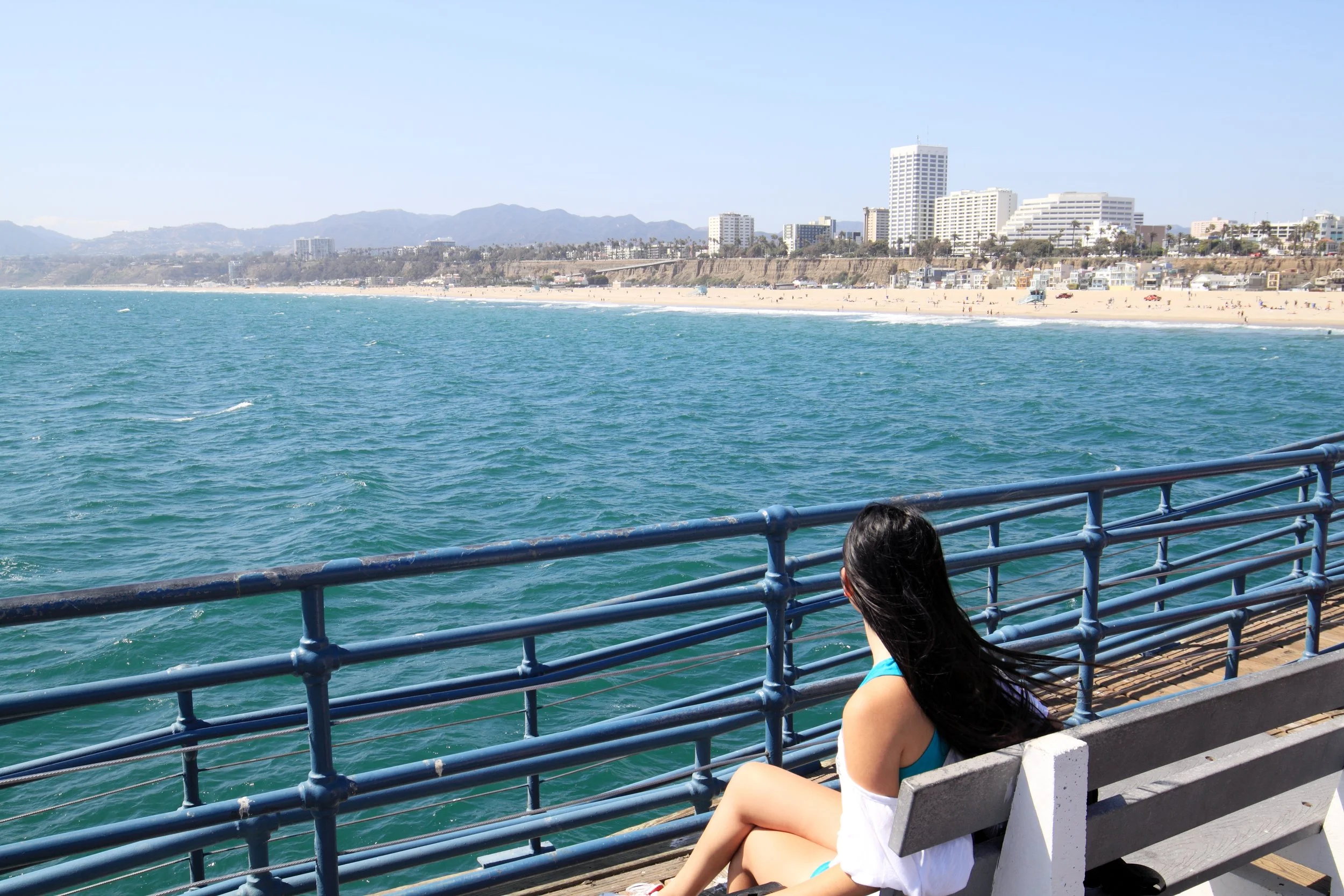
First day in Los Angeles on my first ever solo trip that changed my life.
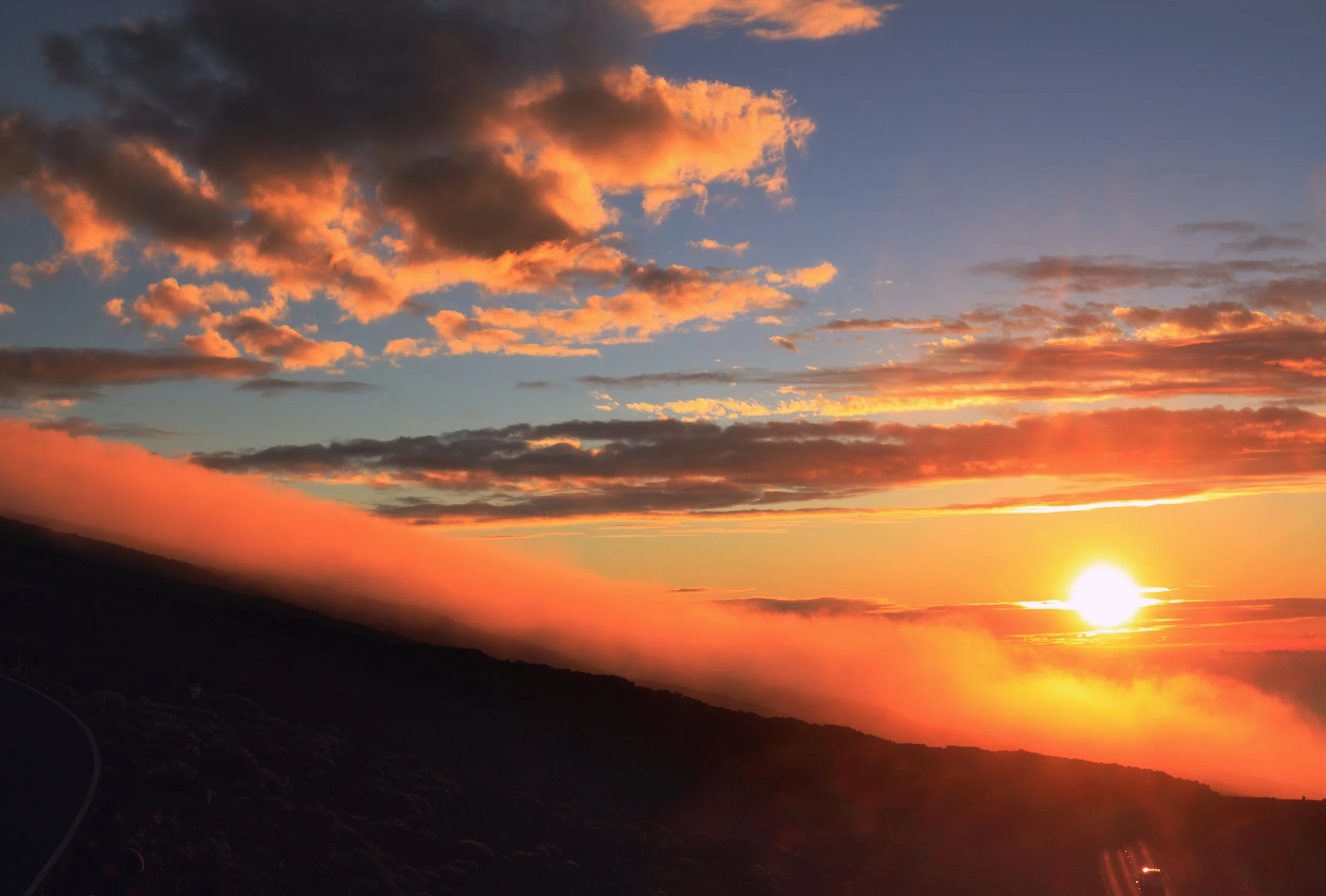
Sunset atop Haleakala. I needed a car rental in Maui but couldn’t afford to pay the obscene “underage” driver fee so I invited every person I knew over the age of 25 and one of them joined! That was the start of another incredible chapter of life ❤️
My hometown of Calgary has cheap direct flights to Hawaii year-round. From Hawaii, located halfway across the Pacific Ocean, all of Asia-Pacific is suddenly within reach. By always choosing the nearest neighbor, the cheapest one-way flight in one direction, I could eventually wrap around the world and make it home without any wasteful backtracking.
Cost-effective and time-efficient. Top engineering student values.
With this slow travel strategy, I mapped out a grand 4-month adventure starting from Hawaii and set off after graduating university in 2017.
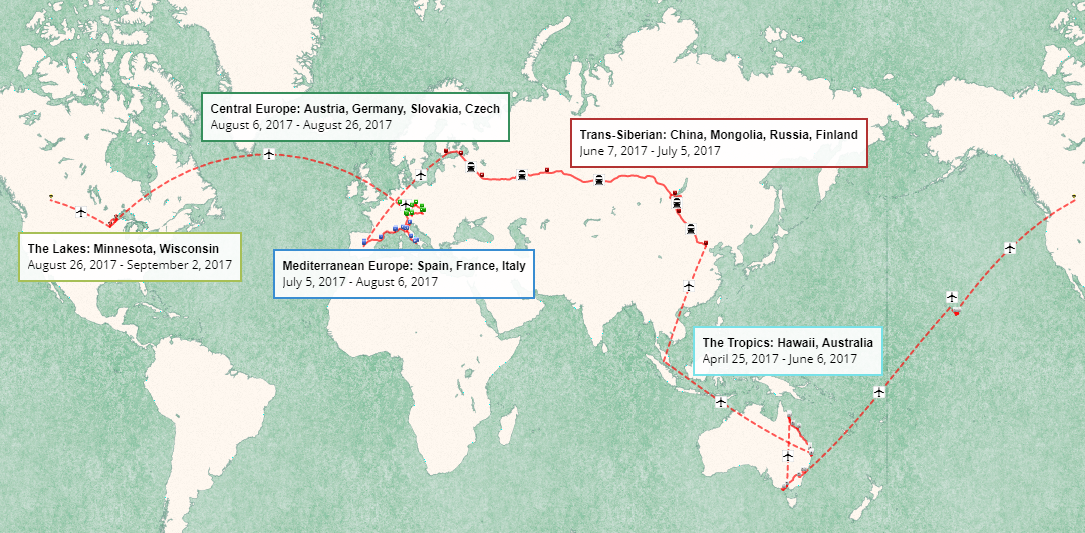
This trip, which took place in mostly expensive regions like Australia, Western and Central Europe during high season, added up to around $13,000 USD over 4 months or about $100/day, which was a huge improvement in cost efficiency over the 6-day trips for $167/day.
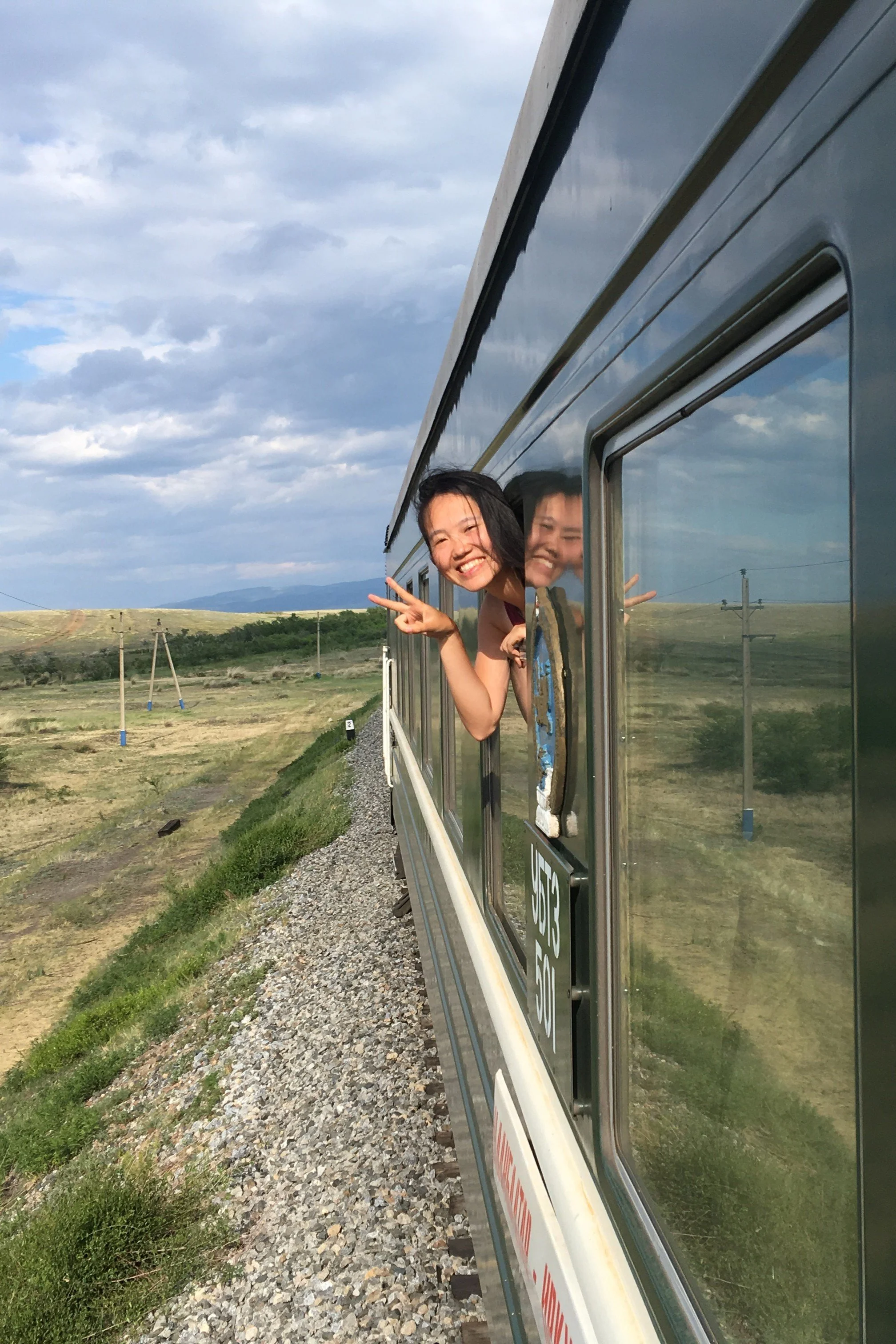
Long distance trains pair perfectly with one-way journeys. This entire trip centered around taking the longest railway line in the world, the Trans-Siberian across Russia.
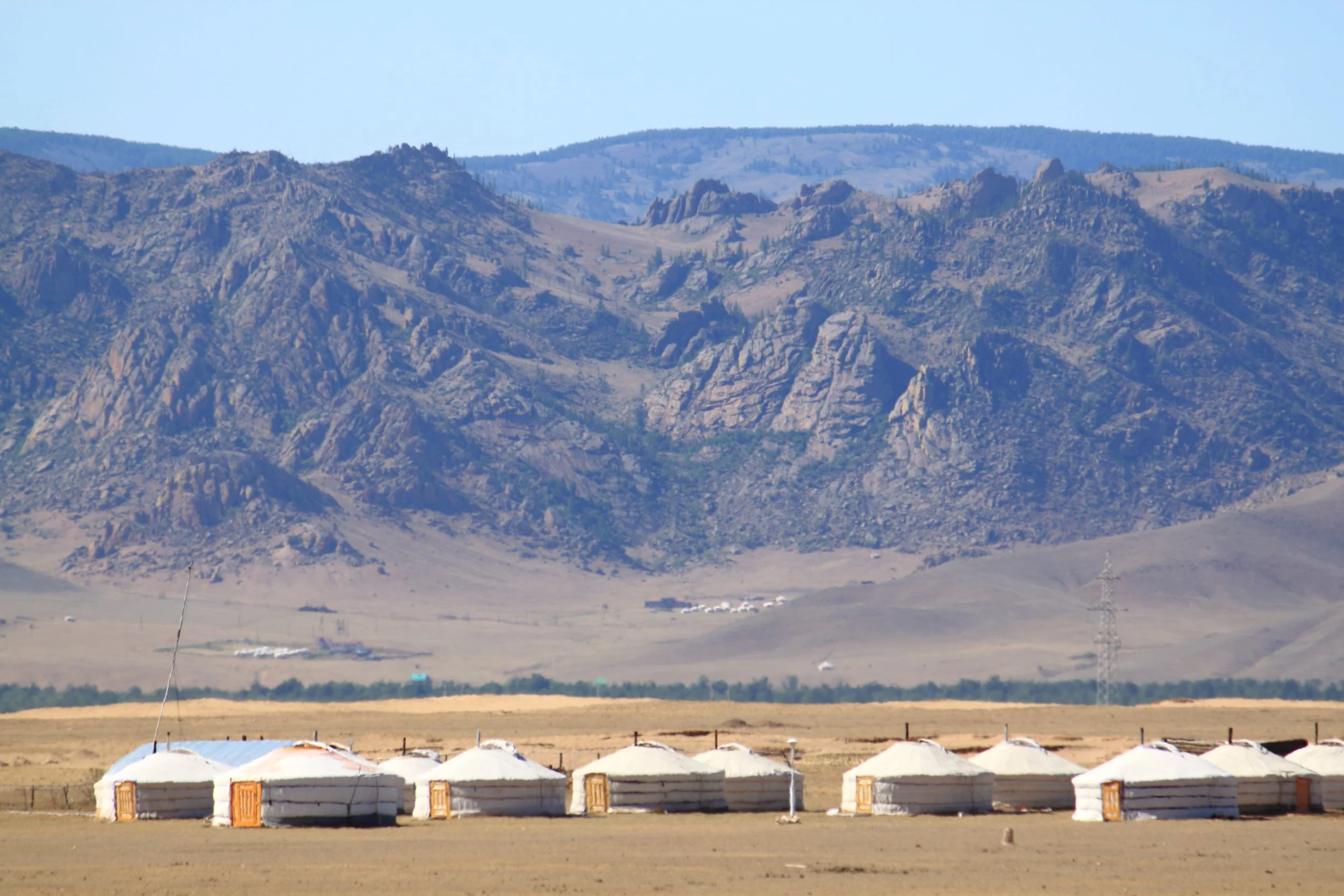
I chose the Trans-Mongolian variant which originates in Beijing and travels through Mongolia first. These are the ger (Mongolian yurts) we camped in just outside the capital, Ulaanbaatar.
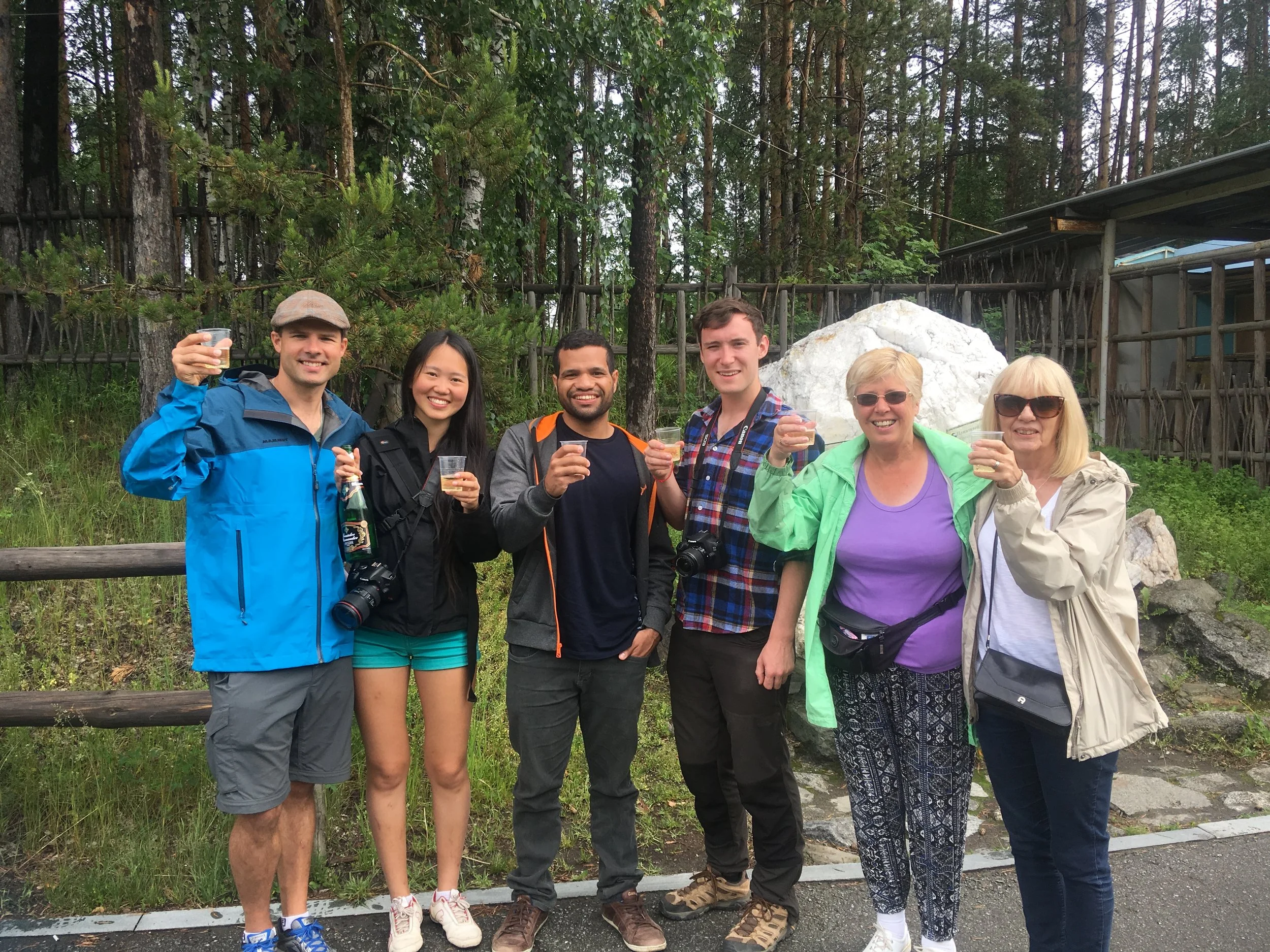
Toasting with champagne at the border between Asia and Europe near Yekaterinburg, Russia. We unexpectedly bumped into fellow travelers from the train we had been chatting with over the past few days.
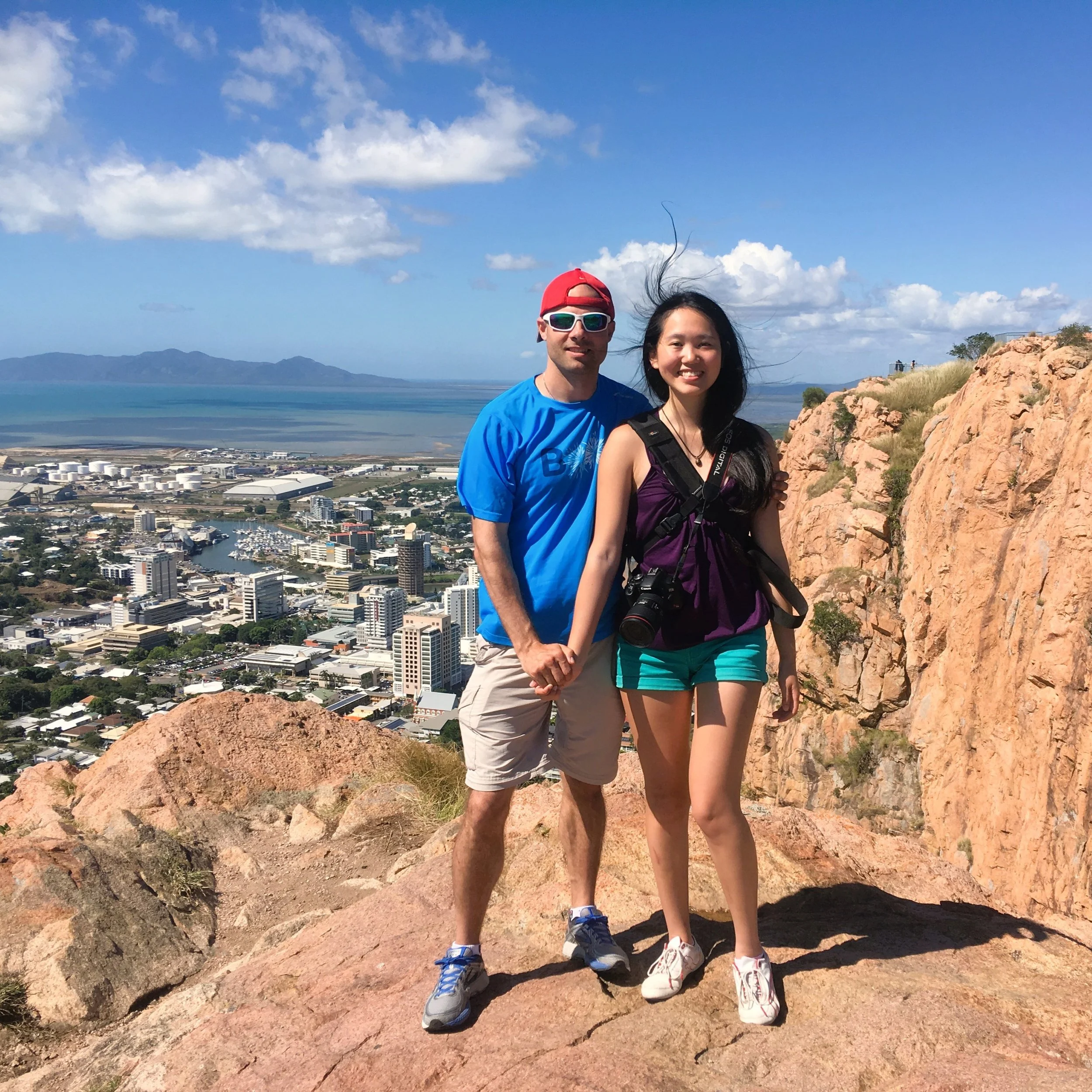
I have to thank Shawn who bravely quit his job to join this trip with me. His companionship made traveling Australia by campervan possible without those ridiculous “under 25” fees.
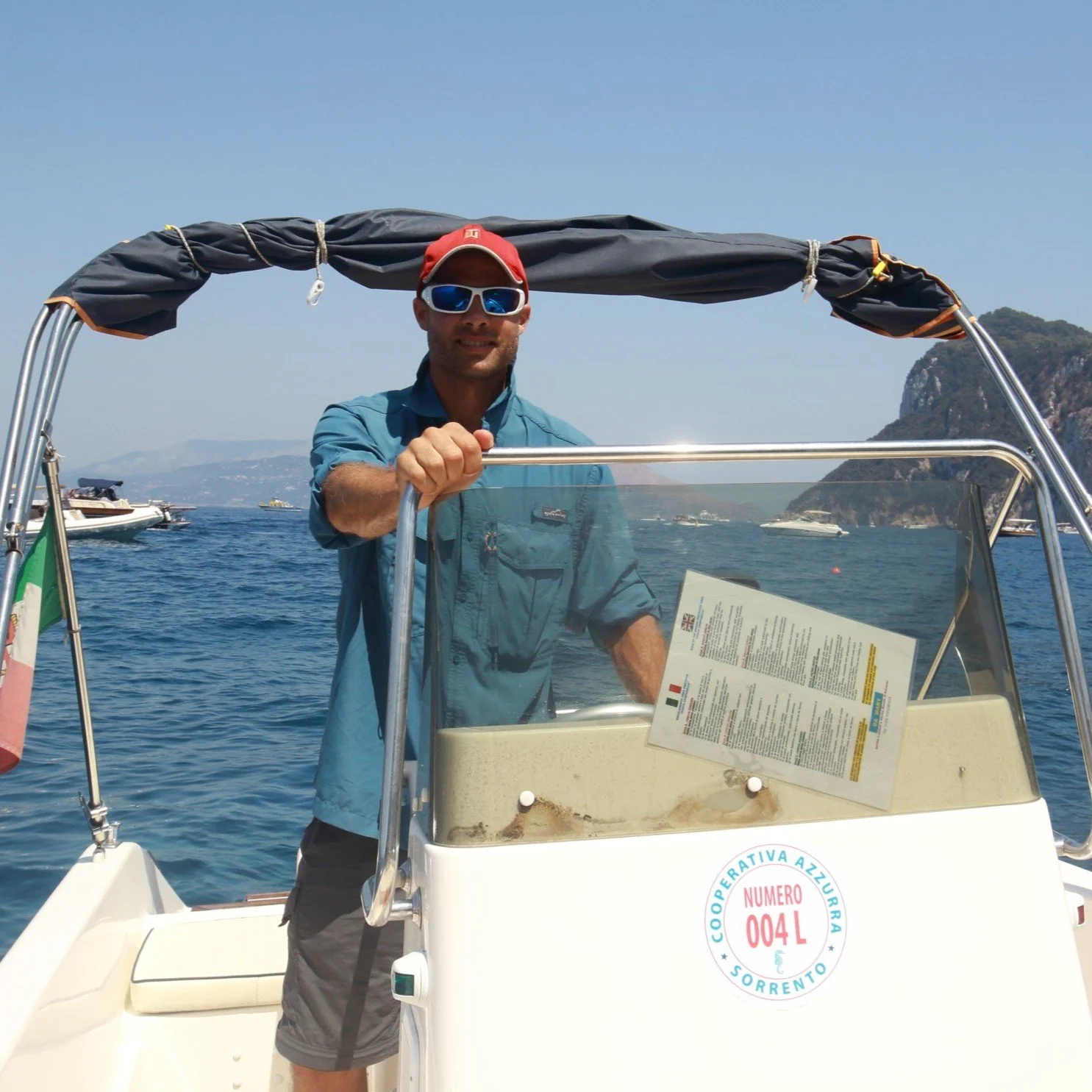
His boating expertise came in handy in Capri, Italy navigating the deep waters and limestone monoliths around the island. The old lady renting boats was super friendly and didn’t even ask for a deposit or piece of ID.
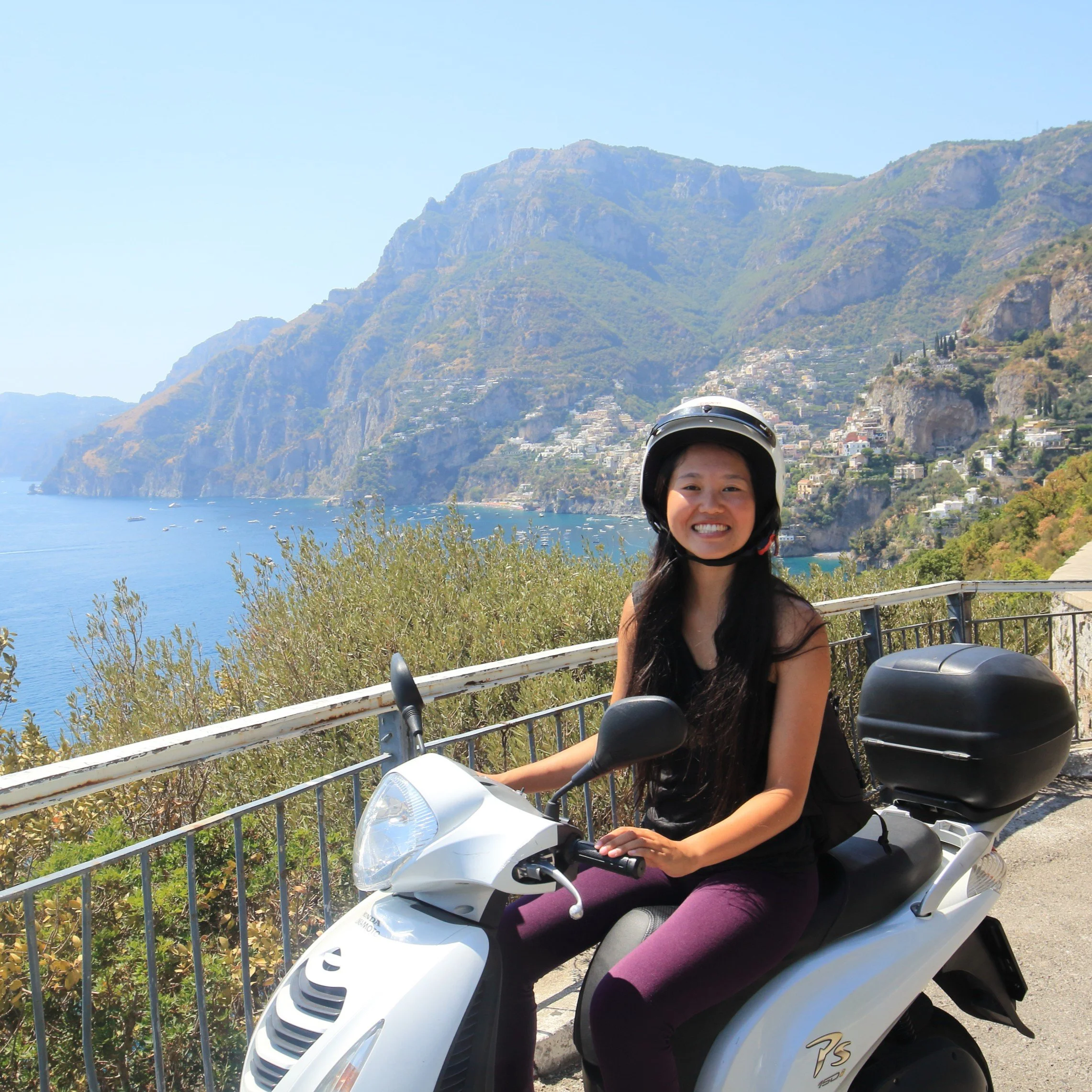
But neighboring motorbike rental shops rigorously inspected Shawn’s motorcycle license. Considering how Italians drive and that we nearly died on the Amalfi Coast, smashed between a speeding bus and a cliff wall that already had scuff marks, his legal qualifications were the bare minimum necessary for survival.
Returning home alive and having completely wasted money on travel insurance, I was already dreaming of my next big adventure and how I could stretch the same budget for even longer.
I also realized that traveling slowly has hidden benefits that aren’t about money at all.
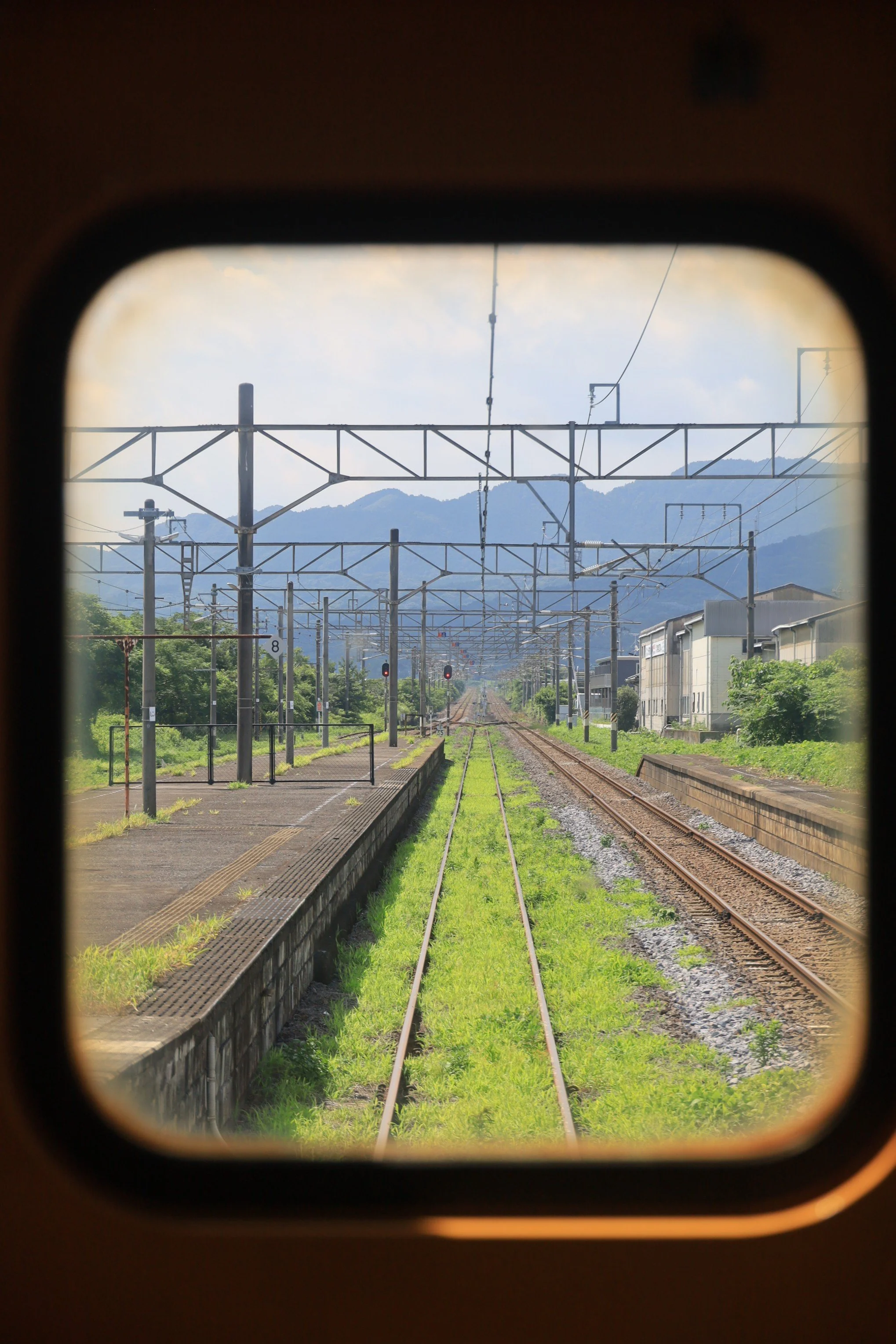
For example, tourists in Japan with only one or two weeks vacation typically stay between Tokyo, Osaka and Kyoto, and ride the Shinkansen to bridge the ~500km distance in a single morning. High speed trains are undeniably impressive, but “slow trains” allow you to leisurely watch the scenery change and observe local life from village to village.
I traveled across Japan for one month using only slow trains and the secret password: TOCHUGESHA
This technique allows you to hop-on and hop-off slow trains with a single ticket over multiple days. As long as your journey is over 100km, you can make as many stopovers as you want.
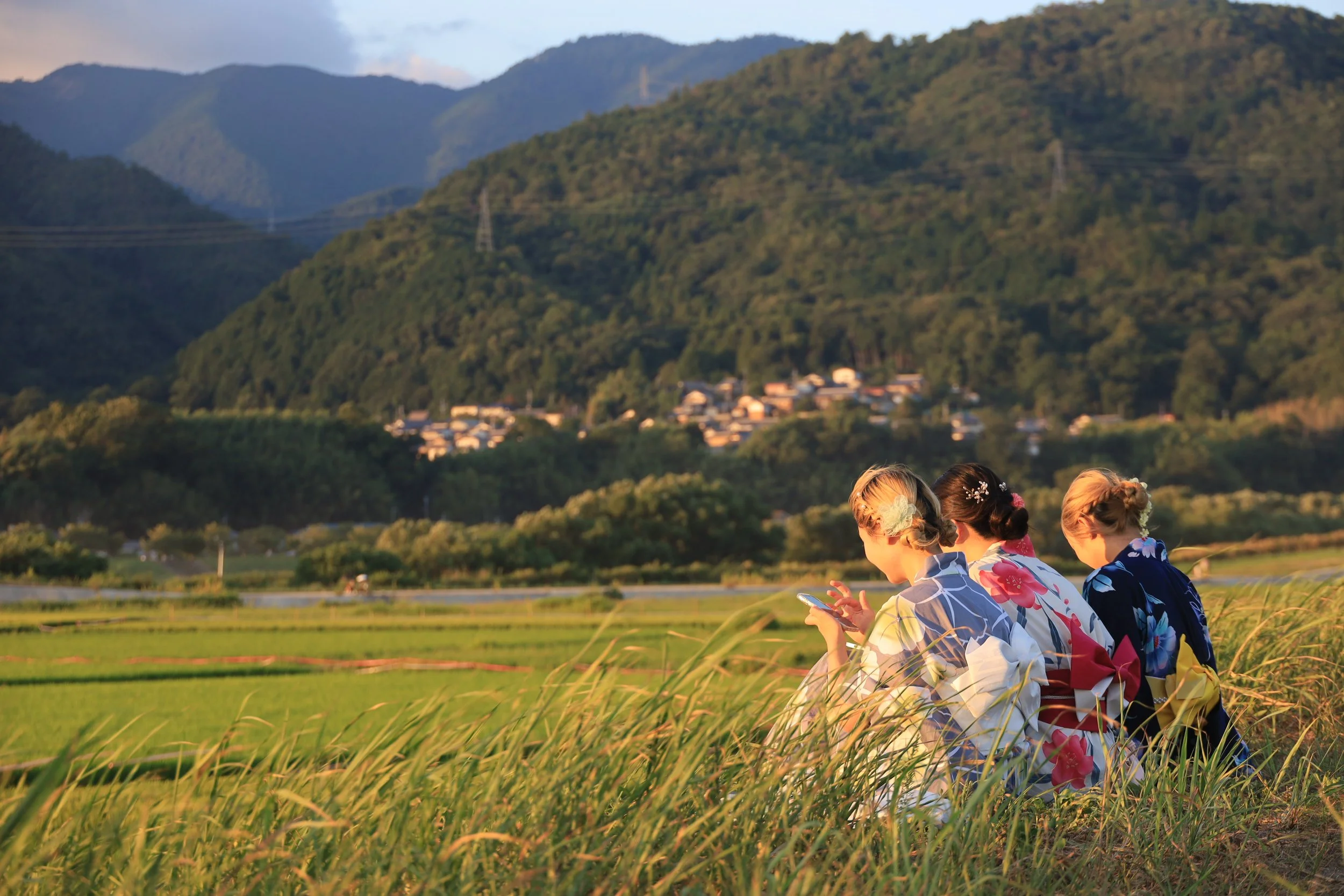
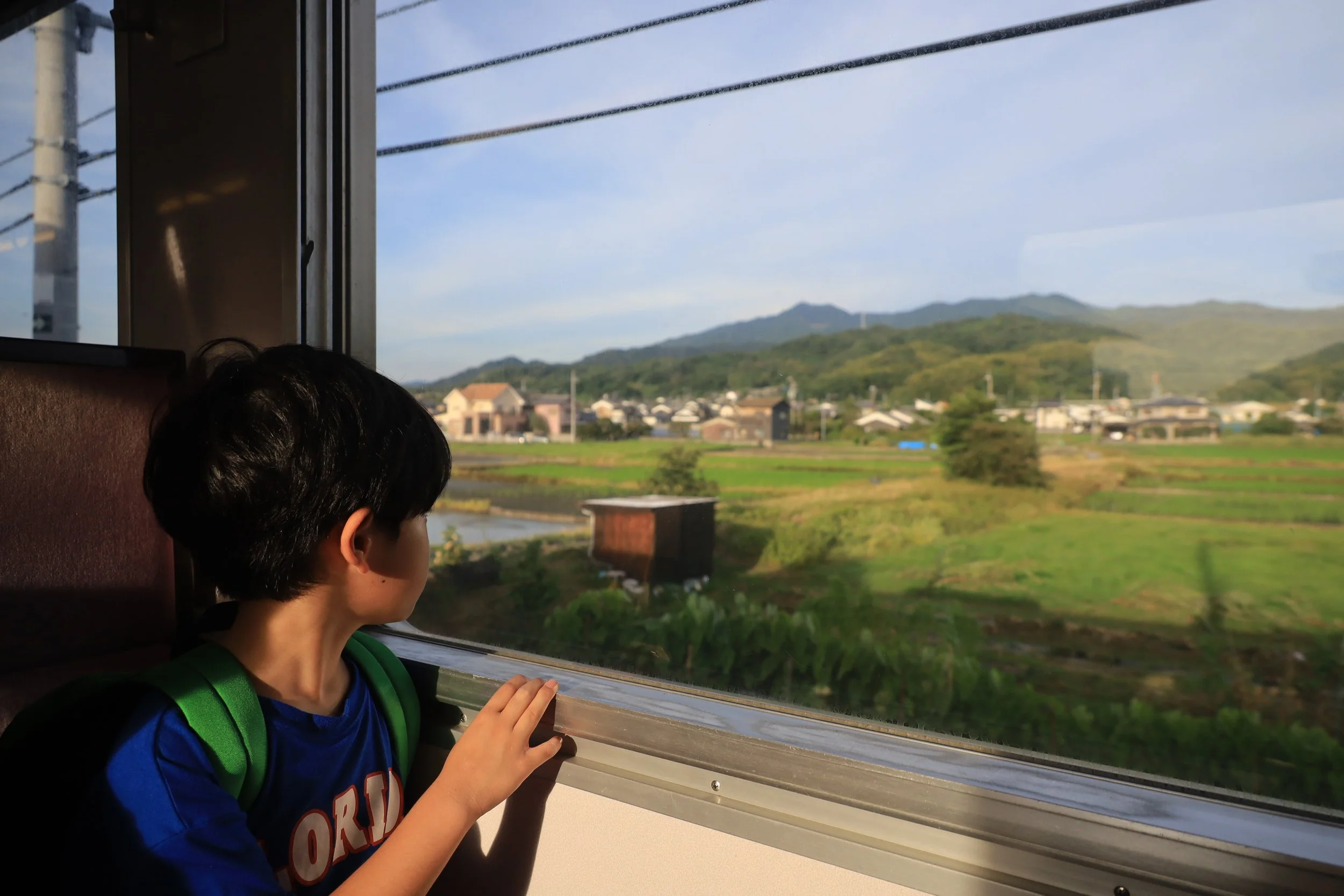
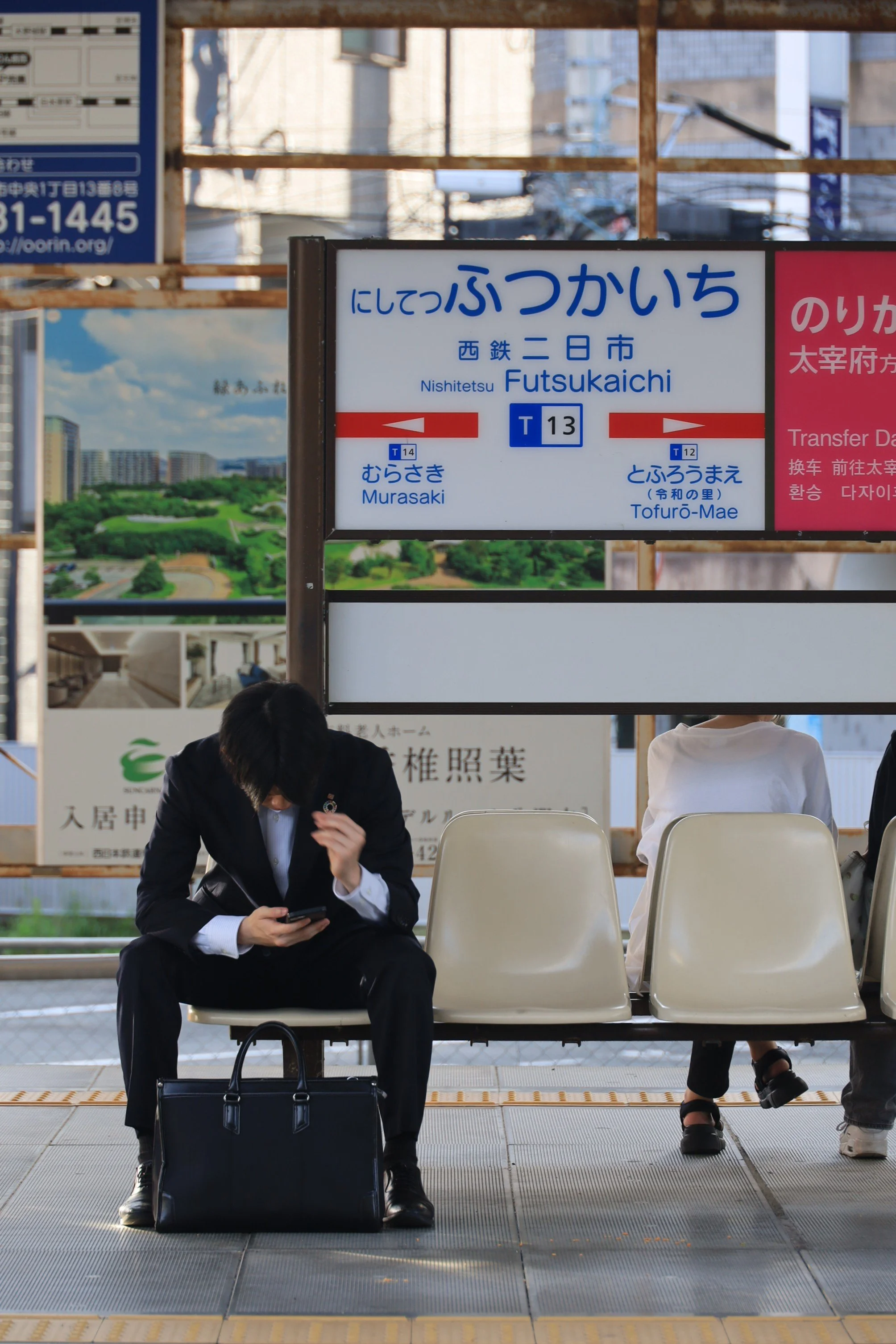
Young girls in colorful yukatas with delicate flower-pinned hairstyles gathered on the train to attend hundreds of fireworks festivals every summer around Japan. Elementary schoolchildren routinely commute alone, still raptured by the sunbathed hills and rice fields, while salarymen stare down at their phones blankly after another long day of working overtime.
Riding the slow train was like being in an anime: Spirited Away, Only Yesterday, 5 Centimeters per Second, or any of those films with idyllic sequences of the Japanese countryside scrolling behind the train window where the protagonist sits in silent contemplation as everyday details are intentionally, meticulously animated to allow the scene to breathe and come to life.
The magic of these quiet moments became my favorite memory in all of Japan.
Another simple method of slow travel with hidden benefits is taking overnight ferries instead of fast ferries or short-haul flights. Not only are the tickets themselves usually cheaper, but you’ll also save on a night of accommodations. They’re far more comfortable with total freedom to walk around and entertain yourself with amenities on board similar to a cruise ship.
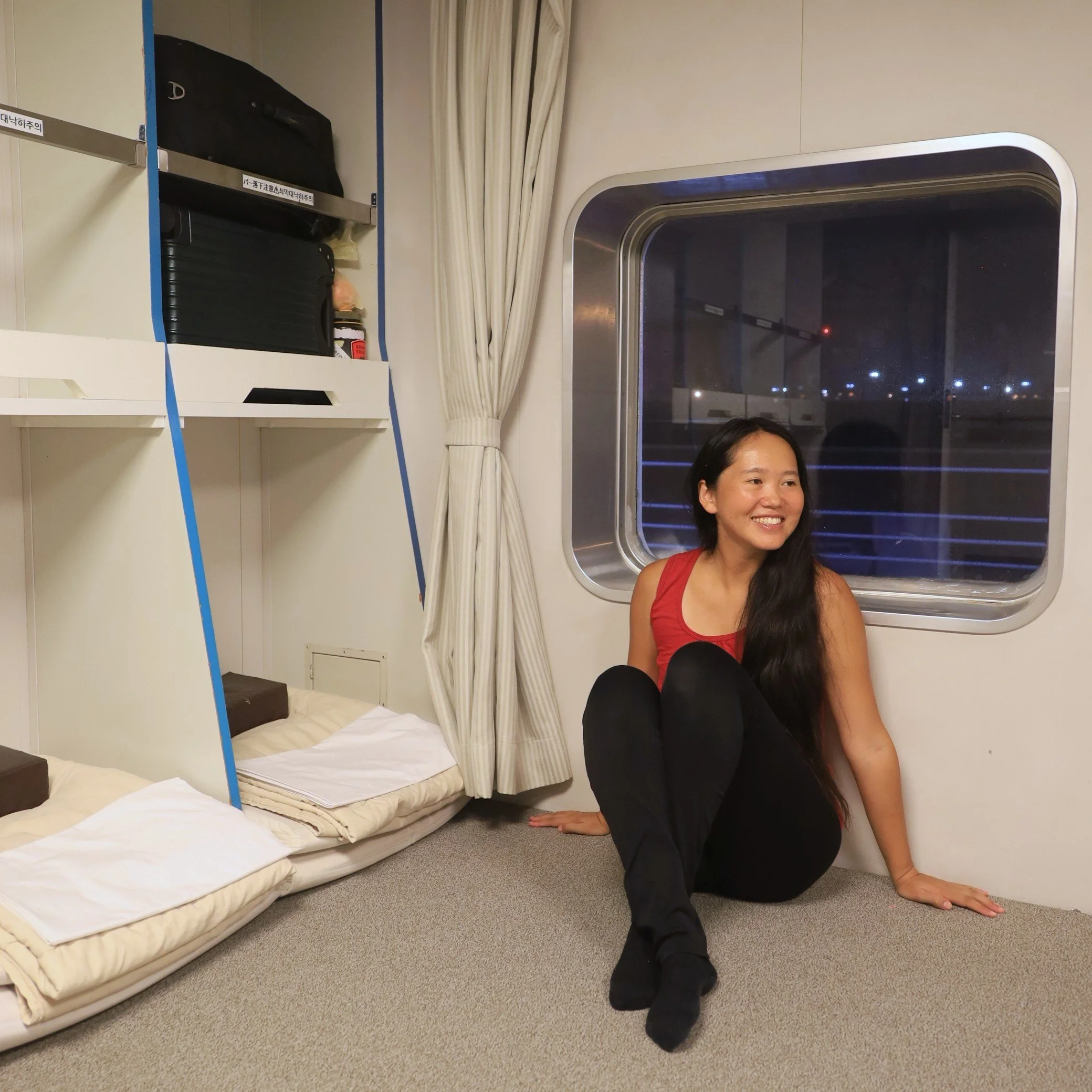
I chose the Camellia Line overnight ferry from Busan to Fukuoka rather than the 4-hour JR ferry which ceased operations in August 2024. My cozy sleeping cubicle next to the window was complete with a futon and clean sheets. Not bad for the cheapest fare!
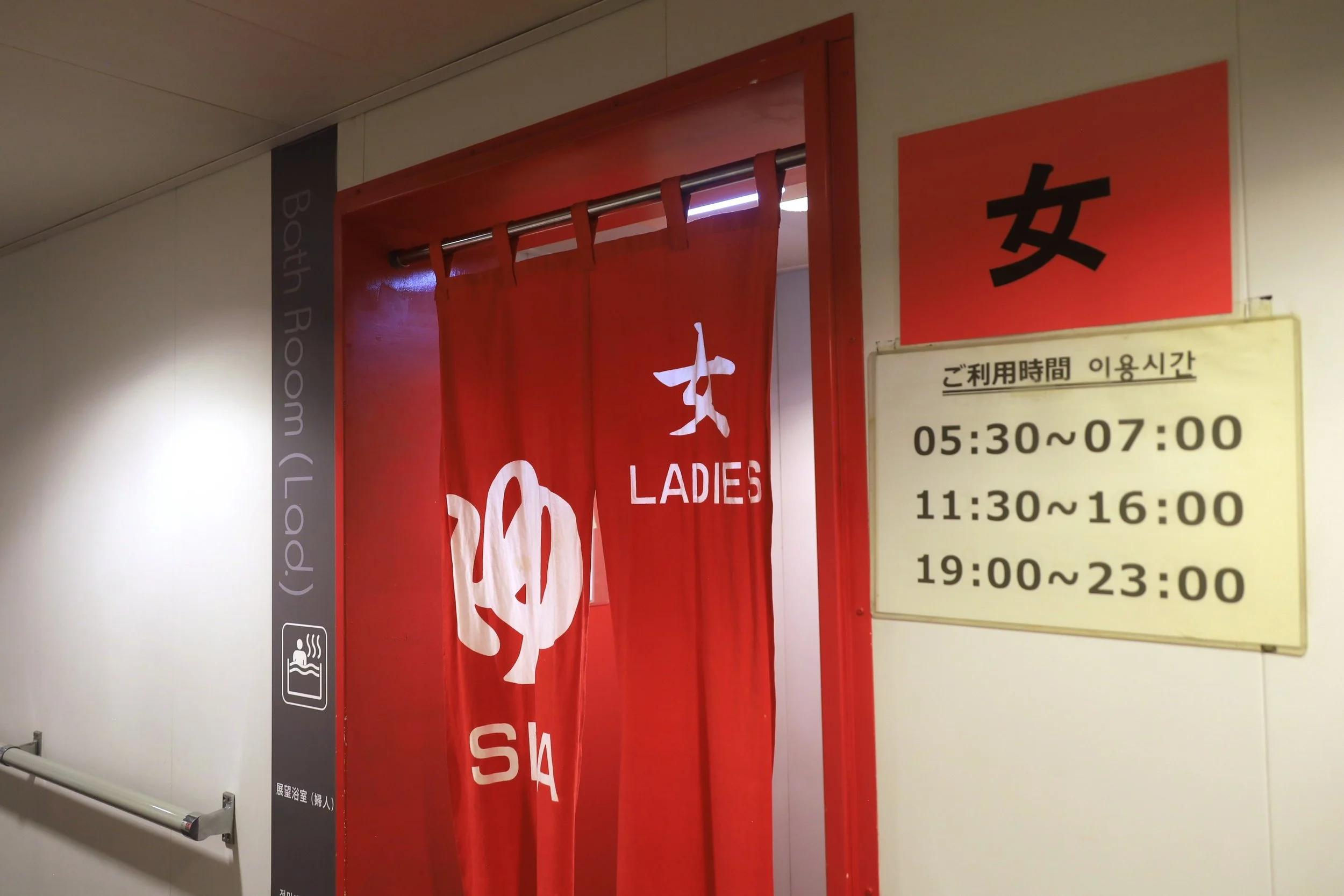
Hours later exploring this massive ship with a cafeteria, multiple lounges, a convenience store, karaoke and gaming rooms, I unexpectedly discovered a sento! That’s the same as an onsen but uses tap water instead of natural spring water because we’re on a boat, of course.
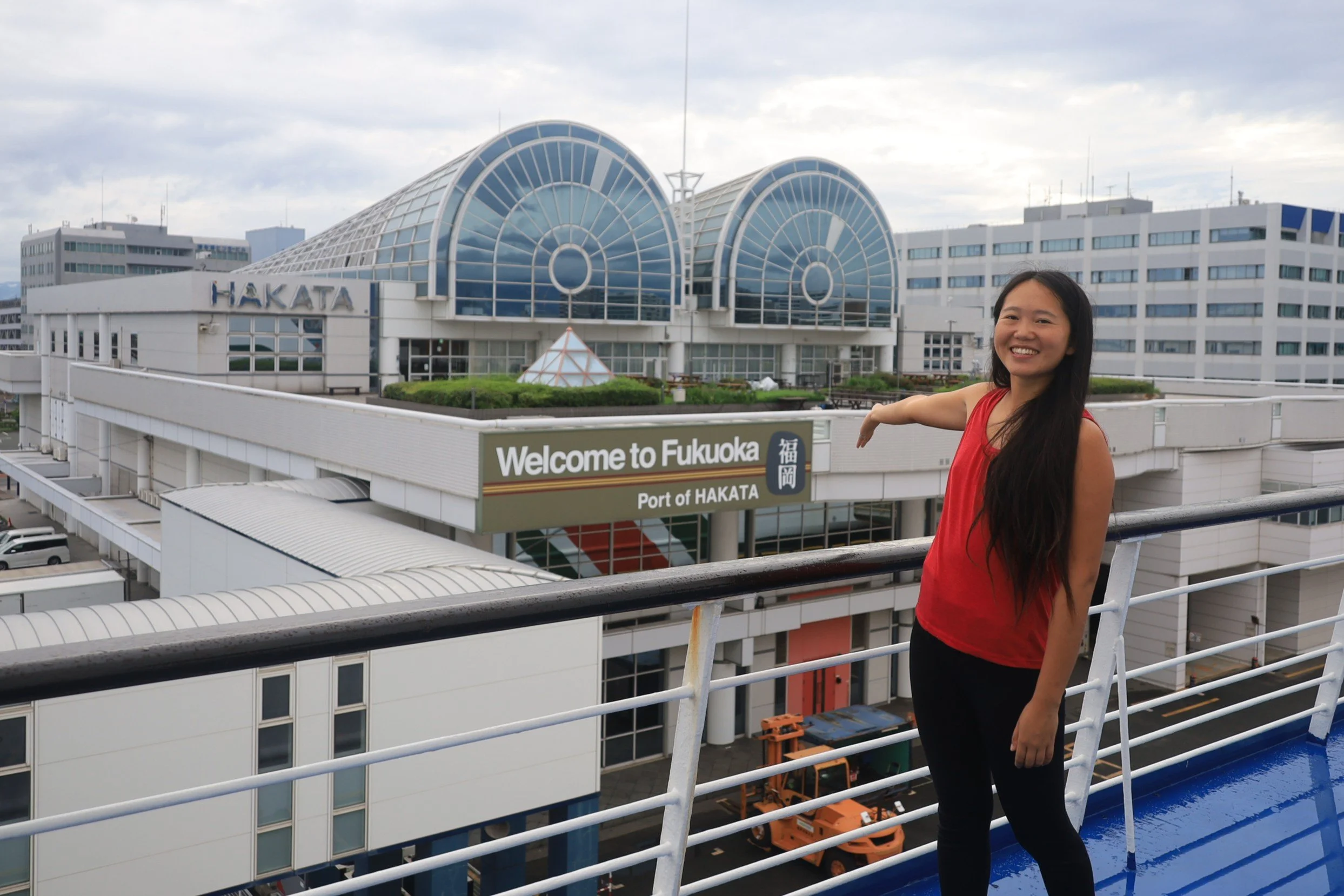
Woke up refreshed and clean on arrival in Japan thanks to the surprise sento on board ♨️
When you travel slowly, traveling becomes your regular life.
You’re probably not eating 3 star Michelin meals everyday, or climbing castles and wandering museums. Maybe you’ll go to the grocery store in Japan and discover high quality bentos up to 50% off every evening and never feel the need to eat at expensive restaurants again.

The discounts stack up more as closing time nears. Even at 30% off, these assorted sashimi platters on the bottom left are ~$7.50 USD for 20 pieces 😍
My latest journey around the world, where these stories of Japan are taken from, cost only $39/day. That’s less than half of my graduation trip in 2017 and less than 1/4 of daily spending on the 6-day trips I began as a student.
After years of practicing slow travel I learned that chasing time costs more than just money.
High speed trains, flights and taxis can get you there faster but without any context. By moving through a place rather than immersing in it, you lose the opportunity to connect with people and the culture. Rushing around checking off a list is basically just work, without the joy and accomplishment of discovering your own path to take.
If the journey is what really matters, go slow.
